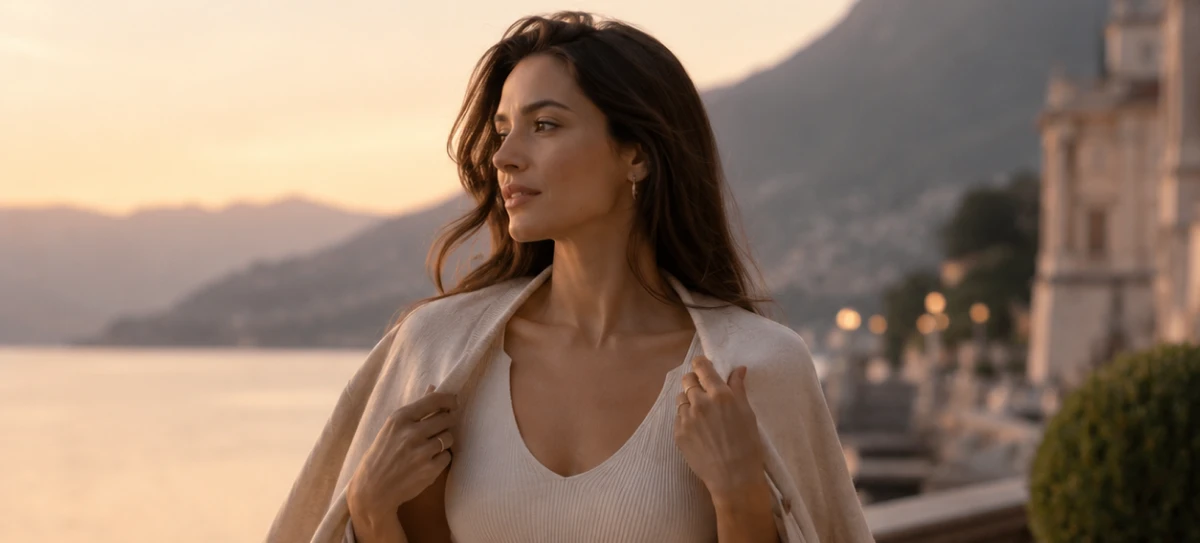
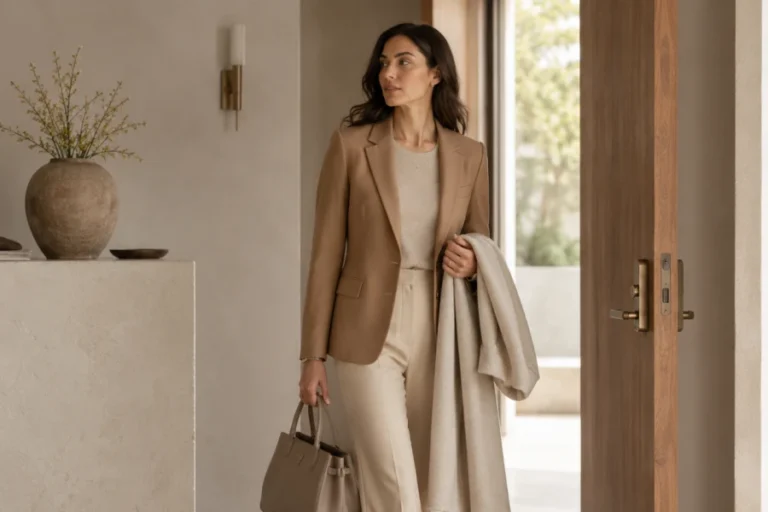
Some aesthetics look easy because their logic is hidden beneath the surface. Quiet luxury is one of them. A quiet luxury style system does not depend on inherited-looking props, expensive logos, or a costume version of polish. It relies on controlled color, considered fit, useful fabrics, and a repeatable sense of proportion. The appeal comes from clothes that look chosen without looking loudly styled. That distinction matters because imitation can become obvious very quickly. The goal is not to play a character with a certain background. The goal is to build a wardrobe that feels settled, personal, and capable in real life. When you understand the visual signal, you stop collecting random references. You begin making decisions that reinforce each other. The result is less performance and more consistency.
A Quiet Luxury Style System Begins With Visual Restraint
Start with restraint, but do not confuse restraint with blandness. Most successful quiet wardrobes use a limited group of colors that work together across seasons. Navy, cream, brown, charcoal, olive, white, black, and muted blue often create useful foundations, although the exact choices should suit your coloring and lifestyle. The key is tonal harmony. A pale shirt can look more refined when its trousers, shoes, and bag do not compete for attention. This leaves room for texture, shape, and movement to do more of the work. One strong detail can still matter, whether it is a sculptural earring, a striped knit, or a warm leather belt. Everything does not need to whisper. It simply needs a reason to be there. Control creates the calm that people often recognize as polish.
Fit Is the Foundation of a Quiet Luxury Style System
Fit is where this aesthetic becomes believable or falls apart. A quiet luxury style system favors clothes that follow the body cleanly without gripping it. Shoulders should sit where they belong. Trouser hems should work with the shoes you actually wear. Sleeves should not swallow your hands or stop awkwardly above the wrist. None of this requires a perfectly tailored wardrobe from the beginning. It requires honesty about what needs adjustment and what will never become right. A strong visual old money reference can help you compare shapes without copying a specific outfit. Look for ease through the waist, intentional drape through the leg, and balance between fitted and relaxed elements. The clothes should support your posture, not ask you to perform in them. Once fit improves, familiar basics gain a different presence.
Build a Quiet Luxury Style System Around Reliable Proportions
Proportion makes simple outfits feel finished. Pair a roomier shirt with a straighter bottom, or choose a defined knit with fuller trousers. Let one silhouette lead rather than asking every item to make a statement. A cropped jacket can sharpen wide-leg pants, while a long coat can bring calm to a column of similar tones. Quiet luxury rewards these small structural choices because there are fewer distractions. Shoes matter here too. A refined loafer, clean sneaker, simple ballet flat, or low boot changes the line of an outfit more than another accessory often can. Keep experimenting until you find two or three formulas that suit your body and daily life. Repeating a good formula is not lazy. It is how a personal style begins to look natural. Familiarity creates fluency.
Texture Makes Simple Clothes Feel Intentional
Texture gives restrained clothing depth. Think crisp cotton, soft wool, washed linen, smooth leather, suede, fine ribbing, dense jersey, and knitwear with a clear hand feel. You do not need every fabric to be luxurious, but you should notice how materials behave after a few wears. Thin fabric that twists, pills, or becomes transparent often undermines an otherwise clean outfit. Well-chosen texture also makes a neutral palette more interesting. A cream linen shirt against dark denim reads differently from a cream silk top against tailored trousers. Consider a quiet luxury styling resource when you need a clearer way to evaluate these combinations. The details should stay controlled: hardware, bags, belts, and jewelry work best when they support the outfit rather than announce themselves. Editing is the final layer of polish.
The Details That Keep a Quiet Luxury Style System Grounded
The aesthetic becomes less convincing when it turns into a collection of obvious signals. Too many crests, oversized logos, fake heritage details, or themed accessories can shift an outfit from understated to theatrical. The approach stays grounded by asking whether each choice works outside a mood board. Could you wear it to lunch, travel in it, sit at a desk, or walk across town? Could you repeat it next month without feeling like you dressed for a costume party? Those questions create better boundaries than a list of forbidden items. They also keep the style from becoming limited to one age, one gender expression, or one kind of life. Personal taste belongs inside the framework. The goal is control, not uniformity. Quiet style should feel lived in, not staged.
Practice the Look on Ordinary Days
Practice matters more than a dramatic shopping reset. Wear your best formulas on ordinary errands, workdays, travel days, and low-key dinners. Photograph an outfit only if it helps you notice proportion, not because every look needs documentation. Keep track of which pieces make you stand taller and move more easily. A old money style manual can be useful when you want to translate that evidence into a long-term system. Over time, you will see the patterns: your preferred collar shape, the trouser rise that works, the colors that make your skin look awake, and the level of detail that feels true. That knowledge lasts longer than any trend cycle. A settled wardrobe is not bought in one weekend. It is built through repeated, intelligent choices.