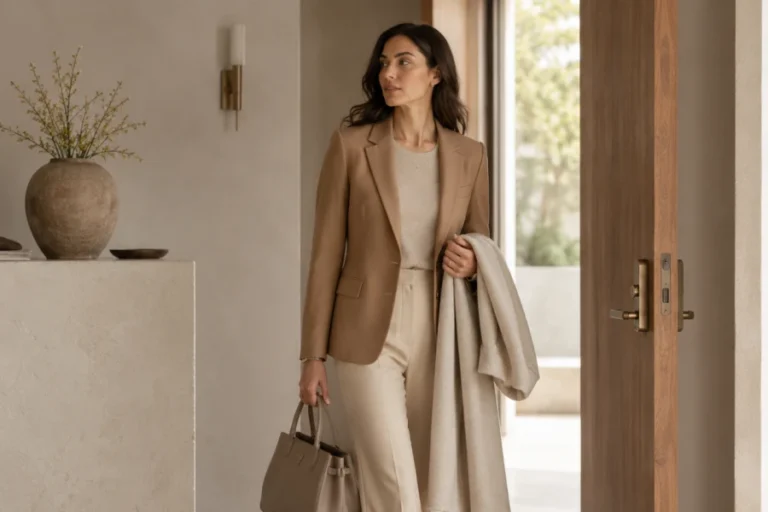
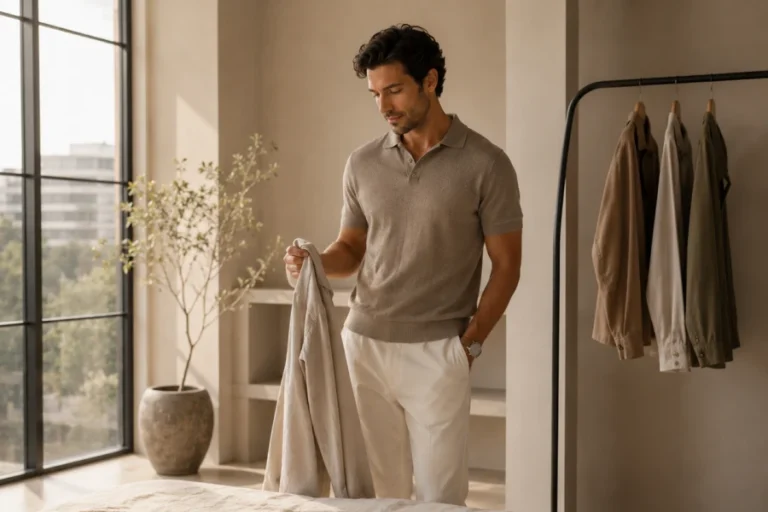
A hot afternoon can make an extra layer feel unnecessary until the sun drops, the restaurant air conditioning turns aggressive, or a waterfront table catches a breeze. Summer evening layering solves that familiar gap without turning a light outfit into something heavy or awkward. The goal is not to carry a winter jacket through July. It is to choose pieces that offer enough warmth, pack easily, and still belong with shorts, dresses, trousers, and sandals. A useful layer should make an outfit feel more complete, not like an emergency cover-up. That requires attention to fabric, shape, and proportion. When you own the right few options, you stop leaving them at home. You also stop buying last-minute layers that work for one evening and then disappear into the closet. Preparation creates ease long before the temperature changes.
Summer Evening Layering Starts With the Forecast You Forget
Begin by noticing the conditions that actually catch you off guard. Maybe your city stays hot but every indoor space feels cold. Maybe outdoor dinners turn breezy after sunset. Maybe travel days combine a warm airport, a cold flight, and an evening arrival. These are different problems, so they need different solutions. A thin cardigan may help in an office but not outdoors near water. An open cotton shirt may work for a beach dinner but offer too little warmth on a late train. Write down your most common transitions and dress for those rather than a generic idea of summer. This makes the layer practical from the start. You will carry it because you can name the moment it solves. The right clothing becomes easier to use when its job is specific. Vague purchases rarely earn their place.
Choose Fabrics for Summer Evening Layering
Fabric determines whether a layer feels welcome in warm weather. Look for breathable cotton, linen blends, fine merino, silk blends, lightweight wool, airy knitwear, and soft technical materials that do not trap heat. Feel the weight in your hand and notice whether the fabric folds into a bag without becoming a wrinkled burden. Summer evening layering works best when the material has enough structure to sit well over an outfit, but enough lightness to remove easily. A summer layering resource can help you compare options by usefulness rather than trend appeal. Avoid pieces that only look good with one outfit or demand constant styling. A layer should be a reliable partner. It should make you more comfortable without asking for much attention. That is the difference between a wardrobe tool and another complication.
Build Summer Evening Layering Around Three Useful Shapes
Three shapes solve most summer evenings: an open shirt or overshirt, a fine knit or cardigan, and a lightweight jacket, blazer, or wrap. The exact version depends on your style, but the roles remain useful. An open shirt gives ease over tanks, tees, and dresses. A fine knit adds softness and works well in air-conditioned interiors. A light jacket or tailored layer provides more structure when the evening feels polished. Choose colors that connect to your existing summer palette, so the pieces can move across several outfits. A light layer planning method helps you avoid buying multiple versions of the same role. Start with one layer you can imagine wearing three ways. Then test it with your real shoes, bags, and bottoms. Connection matters more than novelty in this small category.
Make Proportion Work Over Warm-Weather Outfits
Proportion becomes especially important when the base outfit is light. A cropped jacket can work beautifully with wide trousers or a dress that has a defined waist. A longer overshirt may balance shorts or a column of fitted pieces. A cardigan should not add so much volume that it hides the shape you liked in the first place. Consider sleeve length, shoulder line, and the way the layer sits when open. Take a few minutes to move in the outfit before deciding it works. Sit at a table, walk, carry a bag, and take it off and on. The best layer does not interrupt the outfit’s rhythm. It continues it. That makes you more likely to use it when the evening shifts. Function and polish should not have to compete.
Pack Light Layers for Travel and Long Days
Travel reveals whether a layer is genuinely useful. It should fold or roll without taking over your bag, feel comfortable across several hours, and work with more than one outfit. Pack it near the top of your carry-on instead of at the bottom where it becomes unavailable. When you plan a day that may extend into dinner, bring the layer from the beginning rather than hoping the temperature stays kind. An evening layer edit can make this habit easier by identifying the one or two pieces that deserve a permanent place near your door. This approach also limits overpacking. You carry one adaptable item instead of a backup outfit. The layer becomes part of the day’s plan, not an afterthought you regret leaving behind.
Keep Summer Evening Layering Close to the Door
Keep your most dependable layer visible and ready. Steam it after wearing, check that the pockets are empty, and return it to a hook or hanger near the exit. Pair it mentally with the shoes and bag you use most, so you can grab the combination without thinking. This becomes effortless when the decision happens earlier than the invitation. Notice which option you wear most and why. Maybe it feels soft, fits your proportions, works with your colors, or simply folds into every bag. Let that evidence guide the next purchase. You do not need an entire collection of light jackets. You need a small edit that follows you from warm afternoons into cooler plans with ease. The right layer makes the evening feel more open, not more complicated.